
Growth Intelligence for Recruitment Leaders
Sep 07, 2026Permanent Hiring Returns to Growth - Is This the Turning Point We Have Been Waiting For?
For more than three years, Recruitment Greenshoots has been looking for the early indicators that would tell us when the recruitment market was finally beginning to turn.
September gives us perhaps the strongest evidence yet.
The latest KPMG/REC Report on Jobs shows permanent placements increasing for the first time since September 2022. Temporary billings also grew for a fifth consecutive month and at the second-fastest rate in more than three years.
That is significant.
For much of 2026, the pattern has been relatively consistent. Temporary and contract recruitment improved first as employers sought flexibility while remaining cautious about permanent headcount. We have repeatedly highlighted this as one of the classic early indicators of a recruitment recovery.
We are now seeing the next stage of that cycle.
Permanent recruitment has moved back into growth.
And this is not an isolated indicator.
Lloyds reports that business confidence has risen for a second consecutive month to 53% - its highest level since March - with economic optimism now 18 points higher than it was in June.
The UK's dominant services economy expanded at its fastest rate since April during August, while manufacturing businesses increased employment at the fastest rate for more than two years.
At the same time, substantial investment continues to create opportunities across AI infrastructure, advanced manufacturing, defence, energy and technology.
None of this means the market has suddenly become easy.
Vacancies remain below previous levels, candidate availability remains high and some sectors - particularly housebuilding - continue to struggle.
But Greenshoots has never been about pretending that every indicator is positive.
It is about identifying where growth is emerging before it becomes obvious.
This month, the evidence is becoming considerably stronger.
For recruitment leaders, the conversation should therefore be moving from simply protecting the business through a difficult market towards identifying where to invest for the next phase of growth.
The question is no longer just:
"When will recruitment recover?"
Increasingly, it should be:
"Where is growth happening first - and are we positioned to capture it?"
Top Job Creation Stories
£300 Million AI Investment to Support More Than 3,400 Jobs in Lanarkshire
The Government has announced a landmark £300 million investment package to expand the Lanarkshire AI Growth Zone, with the development expected to support more than 3,400 jobs.
The National Wealth Fund is providing financial backing for DataVita's expansion, while Dell Technologies has also announced that it will establish its Scottish team at the Lanarkshire AI Innovation Park.
This is particularly interesting for recruiters because AI investment increasingly means far more than recruiting software developers. Building the infrastructure required to support AI creates demand across data centres, electrical and mechanical engineering, construction, power infrastructure, project management, cyber security and facilities management.
For specialist recruiters, AI infrastructure is becoming a significant multi-disciplinary growth market.
£130 Million Automotive Investment Supports More Than 1,800 Skilled Jobs
Britain's automotive industry is receiving almost £130 million of investment to accelerate the development of next-generation zero-emission vehicles.
The programme combines almost £65 million of government funding with matched industry investment and is expected to support more than 1,800 high-value manufacturing jobs.
Projects include technologies ranging from self-driving vehicles to more affordable electric vehicles, reinforcing the importance of advanced manufacturing to the UK's future industrial strategy.
For recruiters, this creates opportunities across engineering, manufacturing, software, electronics, battery technology, project management and research and development.
It is another example of investment in technology translating directly into skilled employment.
Defence-Supported UK Jobs Increase by 26,000
New Government figures show that the number of UK jobs supported by defence expenditure increased by 26,000 in a single year.
Within weapons and ammunition manufacturing alone, defence-supported employment increased by 51%, while the North West gained nearly 4,000 additional direct jobs.
This is particularly relevant for recruitment businesses because defence investment extends far beyond the major prime contractors. Growth feeds through into engineering consultancies, manufacturers, technology businesses and thousands of specialist suppliers throughout the UK.
With £298 billion of defence investment planned over the next four years, this increasingly looks like a structural rather than short-term recruitment opportunity.
Government Jobs Guarantee to Create More Than 90,000 Paid Opportunities
The first participants in the Government's new Jobs Guarantee have now started work, with the programme expected to create more than 90,000 fully funded jobs by 2029.
The £2.5 billion initiative is aimed particularly at 18-24-year-olds who have been unemployed for an extended period, with employers including Boots and OCS already supporting the programme.
For recruiters and employers, the significance extends beyond the headline number. Skills shortages and workforce demographics remain major long-term challenges across many industries. Initiatives that create clearer pathways into employment could help broaden talent pools and introduce new workers into sectors struggling to recruit.
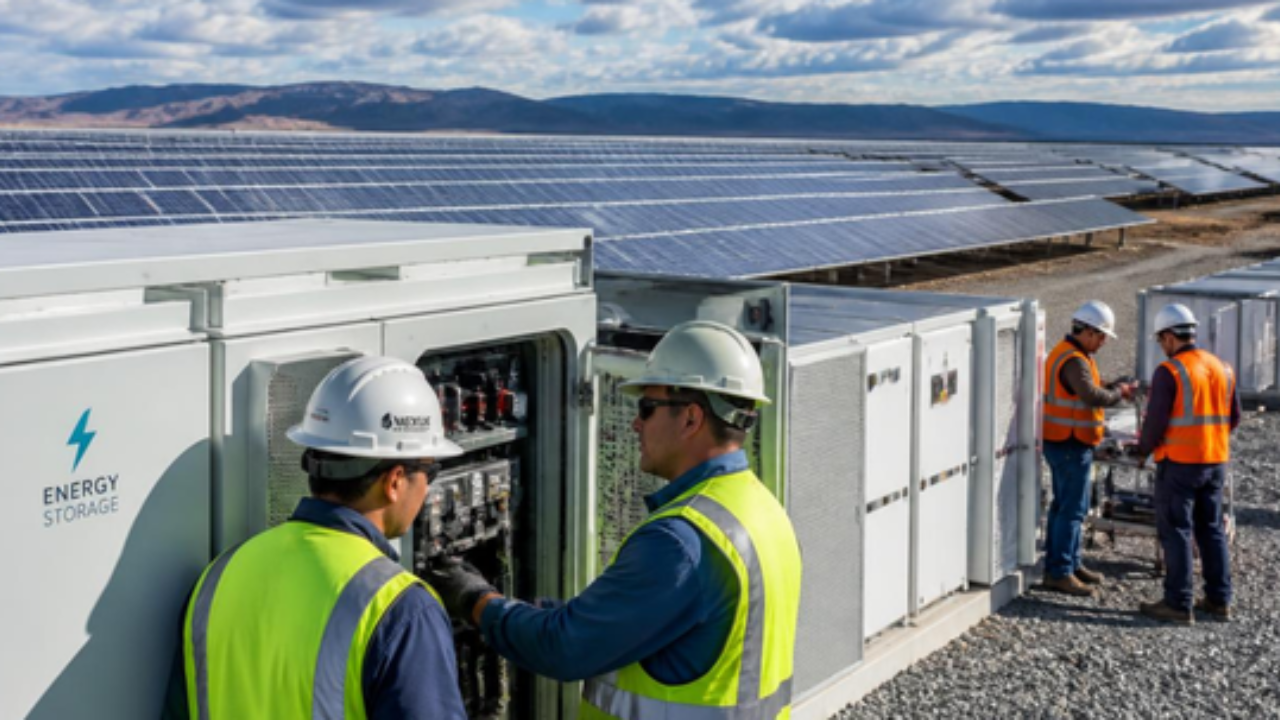
£28 Million Energy Storage Programme Opens Another Specialist Growth Market
The Government has launched a £28 million Ultra-Long Duration Energy Storage Challenge designed to accelerate technologies capable of storing renewable energy for more than 100 hours.
Potential technologies include advanced batteries and underground hydrogen storage, with the programme explicitly intended to help create jobs in emerging clean-energy industries while strengthening UK energy security.
The immediate employment numbers may be smaller than some of the major infrastructure programmes highlighted in Greenshoots, but the direction of travel is important.
Energy storage is becoming an essential part of the transition towards renewable power, creating future opportunities across engineering, research and development, manufacturing, project delivery and specialist technical recruitment.
Growth Indicators
KPMG/REC Report on Jobs - Permanent Placements Rise for the First Time in Nearly Four Years
This is unquestionably the strongest recruitment market indicator in this month's Greenshoots.
The September KPMG/REC Report on Jobs shows permanent placements increasing for the first time since September 2022.
The Permanent Placements Index moved above the neutral 50 mark to 50.5, signalling marginal growth after nearly four years of decline or stagnation.
Temporary recruitment also continued to perform strongly. Temp billings increased for the fifth consecutive month and recorded their second-fastest growth in more than three years.
Starting salaries for permanent workers also increased at their strongest rate since January.
There are still reasons for caution - overall vacancies continue to decline - but even here the rate of contraction was among the weakest seen for almost two years.
For recruitment leaders, this represents an important shift.
Throughout 2026 we have watched temporary and contract recruitment lead the recovery. Permanent hiring now appears to be following.
Lloyds Business Barometer - Confidence Climbs to 53%
The latest Lloyds Business Barometer provides another important forward-looking indicator.
Overall UK business confidence increased four points during August to 53%, its highest level since March and comfortably above the 12-month average of 47%.
Perhaps more significantly, economic optimism increased for the second consecutive month and is now 18 points higher than it was in June.
Confidence also improved across eight of the UK's twelve regions and nations, while the services sector recorded its strongest confidence reading for 13 months.
Recruitment is ultimately driven by confidence. Businesses recruit when leadership teams believe demand will justify investment in additional people.
The combination of improving business confidence and increasing permanent placements therefore deserves attention.
Manufacturing Employment Grows at Fastest Rate in More Than Two Years
The latest UK Manufacturing PMI contains another encouraging recruitment signal.
Although the overall rate of manufacturing growth moderated slightly during August, manufacturers increased employment at the fastest rate for more than two years.
Companies reported that increased production requirements, improving new orders and the need to reduce backlogs were driving recruitment.
Business optimism about the year ahead also reached a six-month high.
This matters because manufacturing has been one of the sectors most affected by economic uncertainty, energy costs and changing global trading conditions.
Recruitment increasing despite those pressures suggests manufacturers are becoming more confident about future workloads.
Services Growth Reaches Strongest Level Since April
The UK services sector - by far the largest part of the economy - strengthened again during August.
The final S&P Global Services PMI increased to 52.5 from 52.1 in July, representing the strongest rate of expansion since April and the second consecutive month of growth.
Companies reported improving domestic demand and stronger spending by both consumers and businesses.
Services employment remains more cautious than the overall activity measure, but improving demand and stronger business confidence create a much more supportive environment for future recruitment.
For professional recruiters, the combination of services growth, improving permanent placements and stronger business confidence is particularly encouraging.
AI Is Creating Jobs - Not Simply Replacing Them
One of the most interesting findings from the latest Lloyds Business Barometer research challenges some of the more pessimistic predictions about artificial intelligence and employment.
More than half - 54% - of UK businesses surveyed said AI has already created new jobs within their organisations.
As businesses increase their use of AI, competition for the skills required to implement, manage and exploit the technology is growing.
For recruiters, this reinforces an important distinction. AI will undoubtedly change jobs and automate elements of existing roles, but it is simultaneously creating demand for new skills and capabilities.
The opportunity is increasingly about understanding how roles are changing rather than simply asking whether AI will eliminate them.
Source: https://www.lloydsbankinggroup.com/media/press-releases/2026/lloyds.html
Sector Growth Watch
September's evidence points towards an increasingly diverse set of growth opportunities.
Technology and AI infrastructure remain important, but the opportunity is widening beyond traditional technology recruitment. Data centres and AI Growth Zones require electrical engineers, M&E specialists, project managers, construction professionals and power infrastructure expertise alongside software and AI specialists.
Defence and advanced manufacturing continue to strengthen. The addition of 26,000 defence-supported jobs in a single year demonstrates that increased government expenditure is already translating into employment rather than simply future promises.
Manufacturing also deserves closer attention. The fastest increase in factory employment for more than two years, combined with new investment in zero-emission vehicles and advanced manufacturing, suggests specialist engineering recruiters could see improving demand.
Energy remains another significant long-term market. Grid investment, renewable generation and energy storage are creating new technical disciplines and intensifying demand for skills that are already scarce.
And finally, professional services should benefit if the wider services economy continues to strengthen. The improvement in the Services PMI and Lloyds' 13-month high in services-sector confidence provide encouraging forward-looking indicators.
The important point for recruitment leaders is that there is no single "recruitment market".
There are multiple markets moving at different speeds.
Growth comes from identifying those moving fastest.
Turning Intelligence into Growth
The September data represents an important change in the recruitment story.
For much of the past two years, the most successful businesses have understandably focused on protecting margins, retaining their best consultants and navigating a difficult market.
That mindset now needs to be balanced with a renewed focus on growth.
The return of permanent placement growth does not mean recruitment businesses should suddenly increase headcount or assume that every client will begin hiring again.
It does mean leadership teams should be examining whether their strategy is aligned with the markets showing the strongest momentum.
Which clients are increasing investment?
Which sectors are creating new jobs?
Where are skills shortages likely to intensify?
Which consultants have the relationships and expertise required to access those opportunities?
And perhaps most importantly:
Are your business development priorities based on where the market has been - or where it is going?
The market remains selective.
But after almost four years without growth in permanent placements, September provides the clearest indication yet that the recruitment cycle may finally be turning.
For growth-focused recruitment businesses, that is a Greenshoot worth paying attention to.
Stay connected with news and updates!
Join our mailing list to receive the latest news and updates from our team.
Don't worry, your information will not be shared.
